Serving Kissimmee, Florida
Concrete Cutting & Sectioning
Precise concrete cutting for defined sections, openings and removal boundaries in driveways, patios, pool decks and other flatwork — offered as part of a removal or demolition project, not standalone core drilling or wall sawing.
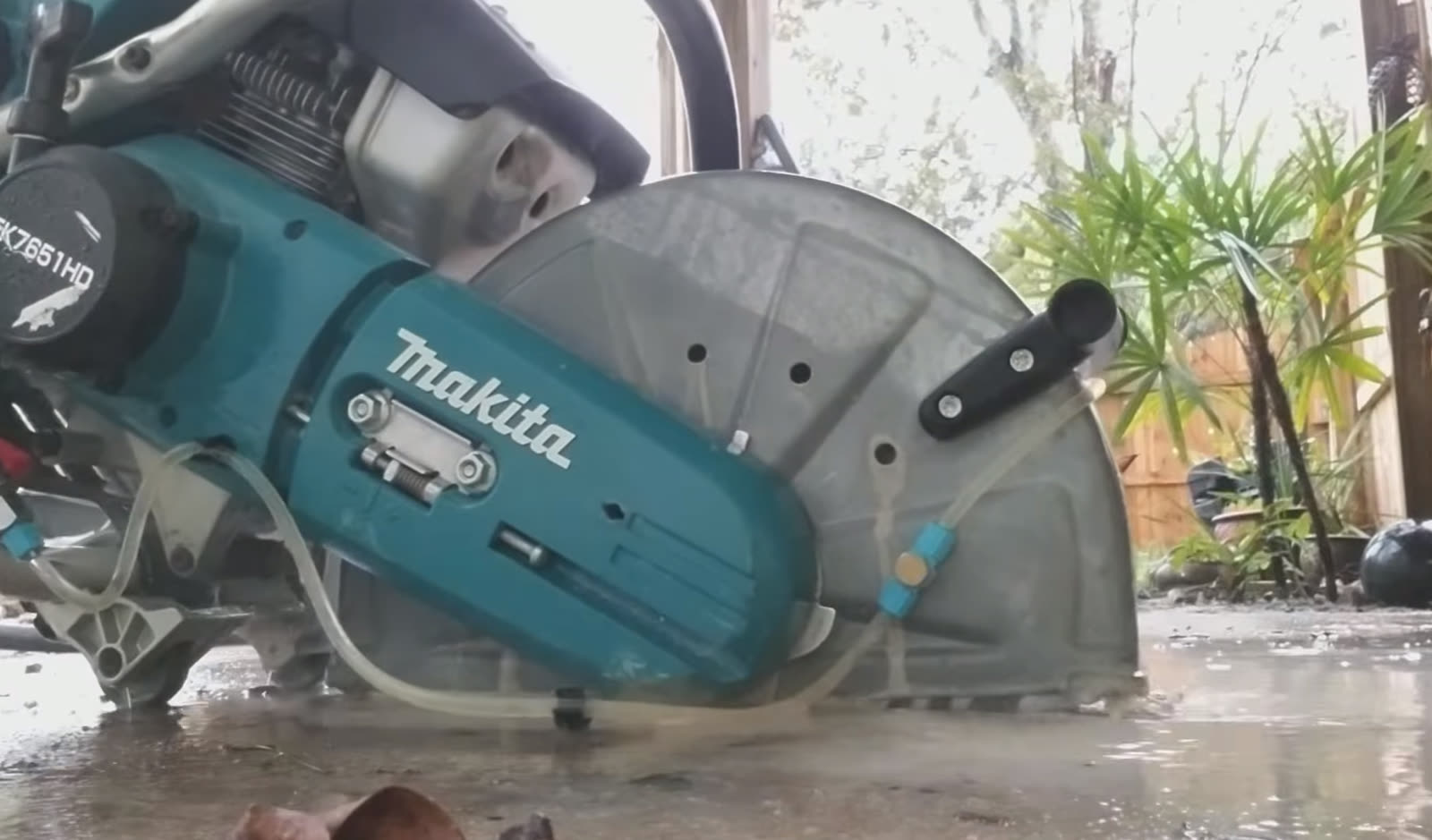
Concrete cutting separates a defined section of concrete from the rest of a slab, or cuts an opening into it, along a controlled line — a practical option for Kissimmee property owners who need only part of a driveway, patio or slab addressed, or who need access through a slab for plumbing, drainage or other work.
Unlike a shallow control-joint score made in fresh concrete, concrete cutting creates a deeper separation through existing concrete. Whether the section is coming out now, staying in place, or the cut is preparing a later removal, the purpose is creating the exact line the project requires.
Overview
What Concrete Cutting & Sectioning Involves
The purpose of concrete cutting is precision — creating a planned line or opening without treating the entire slab as the project.
What This Service Typically Covers
- Straight cuts and perimeter cuts that isolate one section of a slab from the rest
- Openings cut into a slab for plumbing, drainage or utility access ahead of other trade work
- Full-depth separation cuts, as distinct from a shallow control-joint score in fresh concrete
- Concrete that may contain rebar or wire mesh, with the type and location of any reinforcement reviewed as part of the cutting scope
- Driveways, patios, walkways, equipment pads, pool decks and other concrete flatwork
- Dividing a large or thick surface into sections ahead of a planned removal or demolition
Details Confirmed During the Estimate
- Whether the cut is isolating a section for removal, cutting an opening for another trade, or standing on its own
- The exact line or opening the cut needs to follow
- Whether the separated section will be removed as part of the same project, left in place, or handled by another contractor
- Access along the cut line and any nearby structures, landscaping or surfaces that must stay undisturbed
- How dust, water or slurry from the cut, and the resulting debris, are handled near the work area
Concrete cutting creates the requested boundary or opening. Whether the separated concrete is also removed and hauled away—and how the area should be left afterward—is confirmed as part of the estimate.
Ready to Discuss Your Concrete Cutting & Sectioning Project?
Share a few details and get the scope reviewed.
When
When Concrete Cutting Is the Right Step
Cutting comes up most often when only part of a driveway, patio or slab needs to be addressed and the rest is staying exactly as it is. Breaking concrete without first defining a separation line can make it harder to control where the material separates and may affect concrete intended to remain. That boundary-setting role is also part of a full removal project, but it's described here on its own for owners planning a cut-only scope.
The other common reason is an opening rather than a boundary — a slab cut through for a drain line, a plumbing repair, or a remodeling project reaching under an existing surface. Cutting is also used to divide a large or thick surface into planned sections before a bigger removal or demolition job, so material comes out in controlled pieces.
Process
How a Concrete Cutting Job Goes
- 01
Confirming the Line or Opening
The boundary or opening requested is reviewed and confirmed before anything is marked. Nearby walls, structures, landscaping or other surfaces that need to stay undisturbed are identified at the same time.
- 02
Marking the Cut
The confirmed line or opening is marked on the slab. Available information about slab thickness, reinforcement and nearby conditions is reviewed so the cutting scope can be planned for the actual surface rather than based on assumptions.
- 03
Making the Separation Cut
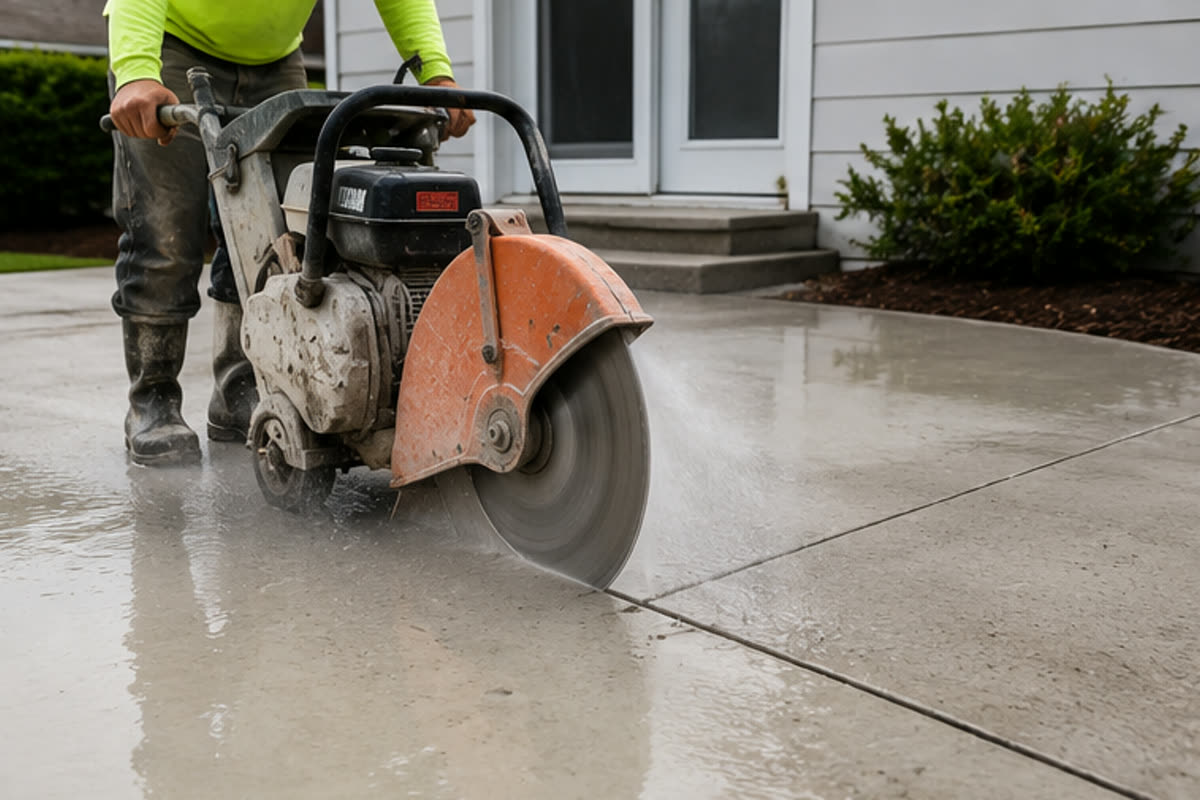
The concrete is cut along the marked line to separate the section, or to open through it where an opening was requested. Dust, water or slurry generated during the cut, and where the resulting debris goes, are handled per what was confirmed for the project.
- 04
Leaving the Section Ready for What's Next
Once the cut is complete, the separated section is left ready to lift out under a removal scope, to remain in place, or to be handled by another contractor — whichever applies depends on the project.
Scope
What Shapes the Scope and the Estimate
The length and layout of the cut line or opening set the baseline for a cutting job, and slab thickness matters just as much. Reinforcement is the other major factor: a slab may or may not contain rebar or wire mesh, and its type or depth usually isn't visible from the surface, so the actual slab is reviewed rather than assumed either way.
The rest comes down to what surrounds the line — walls, structures, landscaping and any surfaces that must stay undisturbed, plus how tight access along a fence line affects staging. Dust, water or slurry from the cut, and whether the separated section is removed, left in place, or handed to another contractor, are worth confirming before a scope and estimate are set.
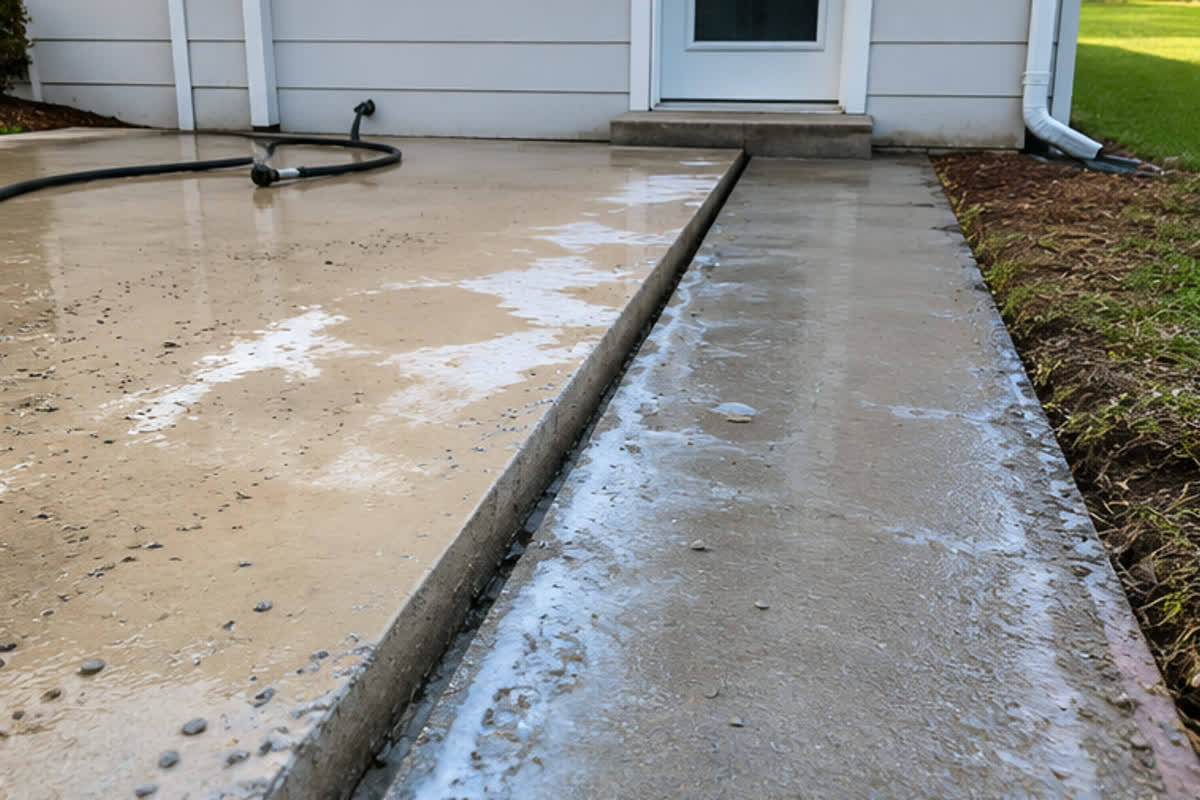
A completed cut leaves a clean boundary, with the adjoining concrete section left undisturbed.
Local
What This Usually Looks Like on an Existing Property
Concrete cutting around an existing property often involves a driveway, patio, pool-deck area or equipment pad rather than an open work area. That can mean defining a partial-removal boundary, working near fences or landscaping, and coordinating the cut with plumbing, drainage, remodeling or whatever work follows.
Not the Right Fit?
Cutting sets a clean boundary or opening — it does not clear the concrete away or restore the area on its own. When the goal is to actually take a section out, concrete removal fits driveways, patios and similar flatwork, slab removal fits a standalone pad, and concrete demolition may apply when the project involves a larger breakup scope or a more extensive concrete removal situation. Cutting is frequently the first step inside one of those projects rather than a substitute for any of them. This site offers cutting and sectioning as part of a removal or demolition scope only — standalone core drilling, wall sawing or specialty commercial saw-cutting are outside what's offered here.
Learn more about Concrete RemovalRelated
Related Services
Questions
Frequently Asked Questions
Can concrete cutting create an opening instead of a straight edge?
Yes. A cut can follow a straight or perimeter line to isolate a section, or it can outline a smaller opening — for plumbing, drainage or utility access, for example. The exact shape and location are confirmed during review.
What happens to dust, water or slurry from the cut?
Cutting concrete produces dust, and depending on the method used, water and resulting slurry as well. How that's managed along the cut line, and where the debris ends up, is worth confirming before work begins.
Does rebar or wire mesh in the slab change the cut?
It can. Some slabs are reinforced and some aren't, and the type or depth of any reinforcement usually isn't visible from the surface. Where it runs through the cut line affects how the cut is approached, so the slab is reviewed rather than assumed to be reinforced or unreinforced.
When is full removal a better fit than cutting alone?
When the goal includes clearing the concrete away rather than only creating a boundary or opening, concrete removal, slab removal or demolition may also need to be discussed. The appropriate scope depends on the type, size and condition of the area and what needs to happen afterward.
Ready to Discuss Your Project?
Review the available services and prepare the basic details of your project to request an estimate.